 Indian Hospitals Foundation Engagement
Background
On January 25, 2018, Ann Cecile Hardy commenced a class action lawsuit in the Federal Court of Canada (Ann Cecile Hardy v. Attorney General of Canada) on behalf of individuals seeking to address the harms they suffered while admitted to a Federal Indian Hospital. Three similar proposed class actions were subsequently filed: Jean John Baptiste Pambrun v. Attorney General of Canada (Court of King’s Bench for Saskatchewan, May 2018); Deborah Azak and Wayne Louie v. Attorney General of Canada (Supreme Court of British Columbia, June 2018); and Blanche Bull v. Attorney General of Canada (Court of King’s Bench for Alberta, February 2019). Since January 2020, these claims have been dealt with collectively under Hardy.
The Federal Indian Hospitals Settlement Agreement was reached on February 28, 2025. The Agreement was approved by the Federal Court on June 24, 2025, and includes compensation for claims of abuse experienced by people who were admitted to one of the 33 “Indian Hospitals,” as they were known at the time.
This website focuses on the creation of the Foundation only. For information on the Claims Process, please visit their website directly: www.ihsettlement.ca or call the Claims Administrator at: 1-888-592-9101.
As part of this Agreement, a non-profit Foundation will be created to support Survivors, their families and communities. Funding for the Foundation will be provided by the federal government through two separate funds:
- The Healing Fund: $150 million to support healing, wellness, reconciliation, protection of languages, culture, education, and commemoration.
- The Research and Commemoration Fund: $235.5 million to support research, education, preserving the history of the Federal Indian Hospitals, and locating burial sites associated with the Hospitals.
In addition, Indigenous Services Canada has received $150 million to expand existing mental health and wellness services for Survivors and of Federal Indian Hospitals and their families throughout the implementation of the Settlement Agreement. These supports are trauma-informed and culturally appropriate (Federal Indian Hospitals Settlement Agreement Support Services).
Hospitals Foundation Engagement
Indian Hospitals Foundation Engagement Process
The Settlement Agreement requires that the structure, design, and establishment of the Foundation is informed by Indigenous-led engagement.
Beginning in the spring of 2026, a cross-country engagement process will take place in a variety of locations across the country. The Indigenous-led engagement process will be facilitated by Dr. Mike DeGagné. This process will focus on in-person engagement sessions and is designed to seek input from Survivors, their families and communities on the creation of the Foundation. Locations for the sessions were chosen based on the home communities of Survivors and their families, locations where Federal Indian Hospitals once operated, and several urban centres across Canada.
The sessions are designed to be safe and supportive spaces to facilitate meaningful participation. One of the principles of the engagement process is to utilize as many Indigenous businesses and organizations as possible. Indigenous facilitators will support Dr. DeGagné at some of the larger engagement sessions; Elders will be present, and Indigenous health support workers will be in attendance to support participants as required. Any information that is shared during the process will be safeguarded and rooted in Indigenous Data and Digital Sovereignty Principles.
The engagement process is paid for by the federal government and the cost of the engagement will not be deducted from the Healing Fund or the Research and Commemoration Fund.
The engagement process is paid for by the federal government and the cost of the engagement will not be deducted from the Healing Fund or the Research and Commemoration Fund.
If you or your family members have experience with one or more of the 33 Federal Indian Hospitals, you are welcome to register to participate in person at one of the engagement sessions, where you can provide your input on the creation of the Foundation. All information gathered during the engagement process will inform the Foundation Plan which Dr. DeGagné will author and submit to the Court to inform the creation of the Foundation. Once the Foundation Plan is approved by the Court, the Foundation and Board of Directors will be established.
What are We Engaging On?
The Foundation will have two main funds:
- The Healing Fund which will support healing, wellness, reconciliation, protection of languages, education, and commemoration activities; and,
- The Research and Commemoration Fund which will support research, education, preserving the history of Federal Indian Hospitals, and locating burial sites associated with the Hospitals.
If you are a Survivor, family or community member, we want to hear your thoughts on how the Foundation can support healing, commemoration, research, and education connected to the Hospitals. Questions will be asked specifically about how the future Indian Hospitals Foundation should be designed and set up, its leadership, and the activities it will undertake.
Who will lead the Engagement?
The engagement process will be led and facilitated by Dr. Mike DeGagné, who brings deep experience and commitment to this work. Learn more about Dr. DeGagné here.
What to Expect at Engagement Sessions
Each session will be guided by unique regional and cultural protocols, and will employ a trauma-informed approach. Elders, cultural supports, and emotional health supports will be present to help create a safe space for open conversations between Dr. DeGagné and registered participants about the future Foundation.
List of Hospitals Included
This list of Federal Indian Hospitals included in the Settlement Agreement includes the name of the Federal Indian Hospital, other common names the hospital might have been known as, and the dates each hospital was operated by the Government of Canada.
List of Indian Hospitals Included in Settlement Agreement
Province or Territory
Federal Indian Hospital
Other Names
Dates of Operation
Referral Area(s)
Associated Indigenous Nations/Territories
Alberta
Blood Indian Hospital
Blood Agency Hospital, Blood Hospital, Blood Reserve Indian Hospital, Blood Reserve Hospital, Moses Lake Hospital
January 1, 1936 - December 31, 1981
Southern Alberta
Kainai Nation (Treaty 7)
Alberta
Charles Camsell Indian Hospital
Charles Camsell Hospital, Edmonton Indian Hospital, Edmonton Military Hospital, Indian Health Services Hospital, Jesuit College Hospital
November 1, 1945 - December 1, 1980
Western/Northern Canada
Northern Alberta, BC, Territories
Alberta
Hobbema Indian Hospital
Hobbema Hospital
January 1, 1952 - June 30, 1963
Central Alberta
Samson, Ermineskin, Louis Bull, Montana (Treaty 6)
Alberta
Morley Stoney Indian Hospital
Morley Indian Hospital, Morley Hospital, Stoney Agency Hospital, Stoney Indian Hospital, Stoney Hospital, Stony Indian Hospital, Stony Hospital
January 1, 1936 - December 31, 1960
Western Alberta
Stoney Nakoda (Treaty 7)
Alberta
Peigan Indian Hospital
Peigan Agency Hospital, Peigan Hospital
January 1, 1936 - December 31, 1954
Southern Alberta
Piikani Nation (Treaty 7)
Alberta
Sarcee Indian Hospital
Sarcee Agency Hospital, Sarcee Hospital, Sarcee Reserve Indian Hospital
January 1, 1936 - March 31, 1946
Calgary region
Tsuut’ina Nation (Treaty 7)
British Columbia
Coqualeetza Indian Hospital
Coqualeetza Hospital
September 1, 1941 - September 30, 1969
Fraser Valley, Lower Mainland
Stó:lo Nation and Coast Salish Peoples
British Columbia
Miller Bay Indian Hospital
Millar Bay Hospital, Miller Bay Hospital
September 16, 1946 - October, 1, 1971
Northern coastal BC
Tsimshian, Haida, Nisga’a, Gitxsan
British Columbia
Nanaimo Indian Hospital
Nanaimo Hospital
September 1, 1946 - November 20, 1966
Vancouver Island
Coast Salish Peoples
Manitoba
Brandon Indian Hospital
Assiniboine Hospital, Brandon Sanatorium
June 15, 1947 - January 31, 1961
Southern Manitoba
Sioux Valley Dakota, Cree, Anishinaabe
Manitoba
Dynevor Indian Hospital
Dynevor Indian Sanatorium, Dynevor Hospital, Dynevor Sanatorium
September 1, 1939 - November 1, 1957
Interlake region
Peguis, Fisher River, Brokenhead
Manitoba
Fisher River Indian Hospital
Fisher River Hospital
July 6, 1940 - June 18, 1973
Interlake region
Fisher River Cree Nation
Manitoba
Fort Alexander Indian Hospital
Fort Alexander Hospital, Pine Falls Indian Hospital, Pine Falls Hospital
December 1, 1937 - November 18, 1964
Eastern Manitoba
Sagkeeng First Nation
Manitoba
Norway House Indian Hospital
Norway House Agency Hospital, Norway House Hospital
January 1, 1936 - December 31, 1981
North-central Manitoba
Norway House Cree Nation
Manitoba
Percy E. Moore Hospital
June 18, 1973 - December 31, 1981
Interlake, Northern Manitoba
Peguis, Fisher River
New Brunswick
Tobique Indian Hospital
Tobique Hospital
January 1, 1936 - March 31, 1950
Western New Brunswick
Wolastoqiyik (Maliseet)
Alberta
Blackfoot Indian Hospital
Blackfoot I.N.H.S. Hospital, Blackfoot Hospital
January 1, 1936 - April 1, 1976
Southern Alberta
Siksika Nation (Treaty 7)
Manitoba
Clearwater Lake Indian Hospital
Clearwater Hospital, Clearwater Lake Hospital, Clearwater Lake Sanatorium, Orok Indian Hospital, The Pas Hospital
September 24, 1945 - February 28, 1965
The Pas region
Opaskwayak Cree Nation
Northwest Territories
Edzo Cottage
Edzo Cottage Hospital, Rae-Edzo Cottage Hospital, Rae-Edzo Hospital
August 7, 1974 - December 31, 1981
Behchoko region
Tlicho (Dogrib) First Nations
Northwest Territories
Fort Norman Indian Hospital
Bishop Bompas Memorial, Fort Norman Hospital, Indian Hospital at Fort Norman
September 1, 1943 - January 21, 1946
Sahtu region
Dene First Nations
Northwest Territories
Fort Simpson Indian Hospital
Fort Simpson Cottage Hospital, Fort Simpson General Hospital
September 20, 1973 - December 31, 1981
Dehcho region
Liidlii Kue First Nation
Northwest Territories
Inuvik Indian Hospital
Inuvik General Hospital, Inuvik Hospital, I’Hôpital Général d’Inuvik
January 13, 1961 - December 31, 1981
Beaufort Delta
Inuvialuit, Gwich’in
Nunavut
Frobisher Bay Indian Hospital
Frobisher Bay General Hospital, Frobisher Bay Hospital
April 1, 1959 - December 31, 1981
Eastern Arctic
Inuit of Qikiqtaaluk
Ontario
Lady Willington Indian Hospital
Lady Willingdon Hospital
January 1, 1936 - September 30, 1968
Quebec, Ontario, Atlantic Canada
Inuit and Eastern First Nations
Ontario
Manitowaning Indian Hospital
Manitoulin Isolation Hospital, Manitoulin Isolation Unit, Manitowaning Hospital
January 1, 1941 - March 31, 1951 | January 1, 1959 - March 31, 1962
Central Ontario
Anishinaabe of Manitoulin Island
Ontario
Moose Factory Indian Hospital
Moose Factory General Hospital, Moose Factory Hospital, Moose Factory Zone Hospital
September 9, 1950 - December 31, 1981
James Bay region
Moose Cree, James Bay Cree
Ontario
Sioux Lookout Indian Hospital
Indian Hospital Sioux Lookout, Sioux Lookout Hospital, Sioux Lookout Zone Hospital
December 12, 1949 - December 31, 1981
Northwestern Ontario
Oji-Cree, Anishinaabe
Ontario
Squaw Bay Indian Hospital
Squaw Bay Hospital, Squaw Bay Sanatorium
May 1, 1942 - May 31, 1953
Saskatchewan
Fort Qu’Appelle Indian Hospital
F.Q.I.H., Fort Qu’Appelle Hospital, Qu’Appelle Indian Hospital
May 1, 1936 - December 31, 1981
Saskatchewan
North Battleford Indian Hospital
North Battleford Hospital
May 15, 1949 - August 26, 1977
Yukon
Whitehorse Indian Hospital
Regional Hospital at Whitehorse, Whitehorse General Hospital, Whitehorse Hospital
April 1, 1959 - December 31, 1981
Yukon
Mayo Hospital
Mayo General Hospital
April 1, 1970 - December 31, 1981
Yukon
Watson Lake
Watson Lake Cottage Hospital, Watson Lake Hospital
March 1, 1966 - December 31, 1981
Southeastern Yukon
Kaska Dena, Teslin Tlingit
This information is better viewed on desktop
Blackfoot Indian Hospital
Blood Indian Hospital
Charles Camsell Indian Hospital
Hobbema Indian Hospital
Morley Stoney Indian Hospital
Peigan Indian Hospital
Sarcee Indian Hospital
Coqualeetza Indian Hospital
Miller Bay Indian Hospital
Nanaimo Indian Hospital
Brandon Indian Hospital
Clearwater Lake Indian Hospital
Dynevor Indian Hospital
Fisher River Indian Hospital
Fort Alexander Indian Hospital
Norway House Indian Hospital
Percy E. Moore Hospital
Tobique Indian Hospital
Edzo Cottage
Fort Norman Indian Hospital
Fort Simpson Indian Hospital
Inuvik Indian Hospital
Frobisher Bay Indian Hospital
Lady Willington Indian Hospital
Manitowaning Indian Hospital
Moose Factory Indian Hospital
Sioux Lookout Indian Hospital
Squaw Bay Indian Hospital
Fort Qu’Appelle Indian Hospital
North Battleford Indian Hospital
Mayo Hospital
Watson Lake
Whitehorse Indian Hospital
Dr. Mike DeGagné
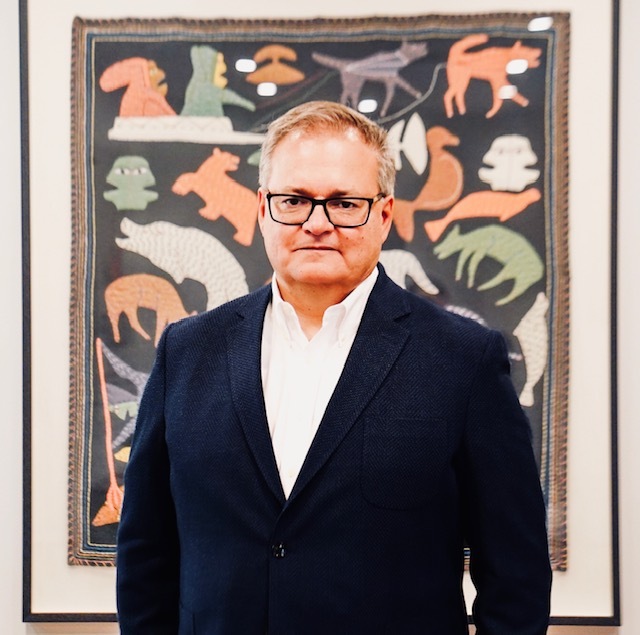
Dr. Michael DeGagné was most recently the President and CEO of Indspire, a national Indigenous charity which supports and invests in the education of First Nations, Inuit, and Métis people across Turtle Island. He was appointed Nipissing University President and Vice Chancellor in 2013, becoming the first Indigenous president of a Canadian public university. Dr. DeGagné later served as the first President of Yukon University, a new hybrid post-secondary institution in Whitehorse, Yukon. He is currently Professor of Sociology at the University of Toronto Scarborough.
In 1998, Dr. DeGagné became the founding Executive Director of the Aboriginal Healing Foundation, a national Indigenous organization dedicated to addressing the legacy of Canada’s Indian Residential School System. He holds a PhD from Michigan State University, focusing on Indigenous post-secondary success, as well as Masters degrees in Administration, Law, and Public Ethics. Dr. DeGagné has co-edited and co-authored several publications in Canada and Australia on reconciliation and healing, including the “Speaking My Truth” series.
Dr. DeGagné serves on numerous boards of directors including the Global Centre for Pluralism, the collegium of the University of St Michael’s College, and is co-Chair of the National Council on Reconciliation. He is a recipient of the Order of Canada, the Order of Ontario, and the Queen’s Diamond Jubilee Medal. Dr. DeGagné is a member of the Animakee Wa Zhing 37 First Nation.
Protection of Information
How We Are Honouring Your Privacy
Your privacy is a key concern; this includes respecting principles related to Indigenous data sovereignty. Your information will be held securely by Indigenous partners who will ensure it will be stewarded to the highest degree of privacy standards and kept culturally safe. Efforts include:
- No digital recordings will be made at any of the engagement sessions. Note-takers will take written notes which will be anonymized and generalized to inform the final Foundation Plan.
- Our website and database was built with technology rooted in Indigenous Data and Digital Sovereignty Principles to securely govern any information collected through this process. They also employ frameworks such as OCAP (Ownership, Control, Access, and Possession), FAIR (Findable, Accessible, Interoperable, and Reusable), CARE (Collective Benefit, Authority to Control, Responsibility, and Ethics), and principles of the UN Declaration on the Rights of Indigenous Peoples (UNDRIP). Additionally, the private server housing the website and database is located within Canada.
- You can choose to let us know how we maintain your information.
- If you’d like for us to delete it after you attend a session, we will do that.
- If you would like your information and/or submissions to be transferred to the Foundation once it is established, your information will be securely stored and transferred later.
- If you would like to have your input or submission attributed to you and shared publicly or as part of Foundation reporting we can do that.